

The Battle of Neretva – The best and the most expensive movie in SFRY
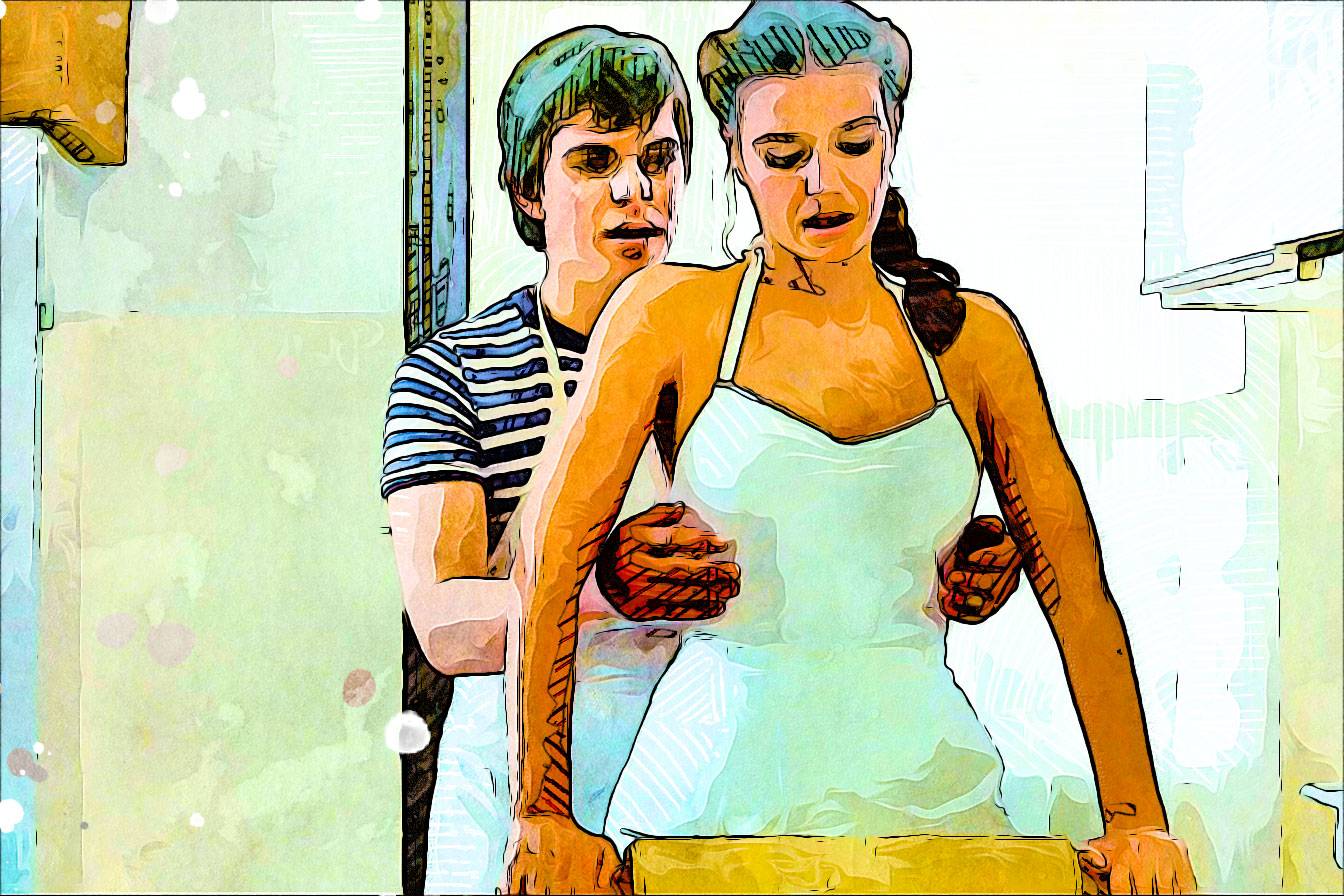
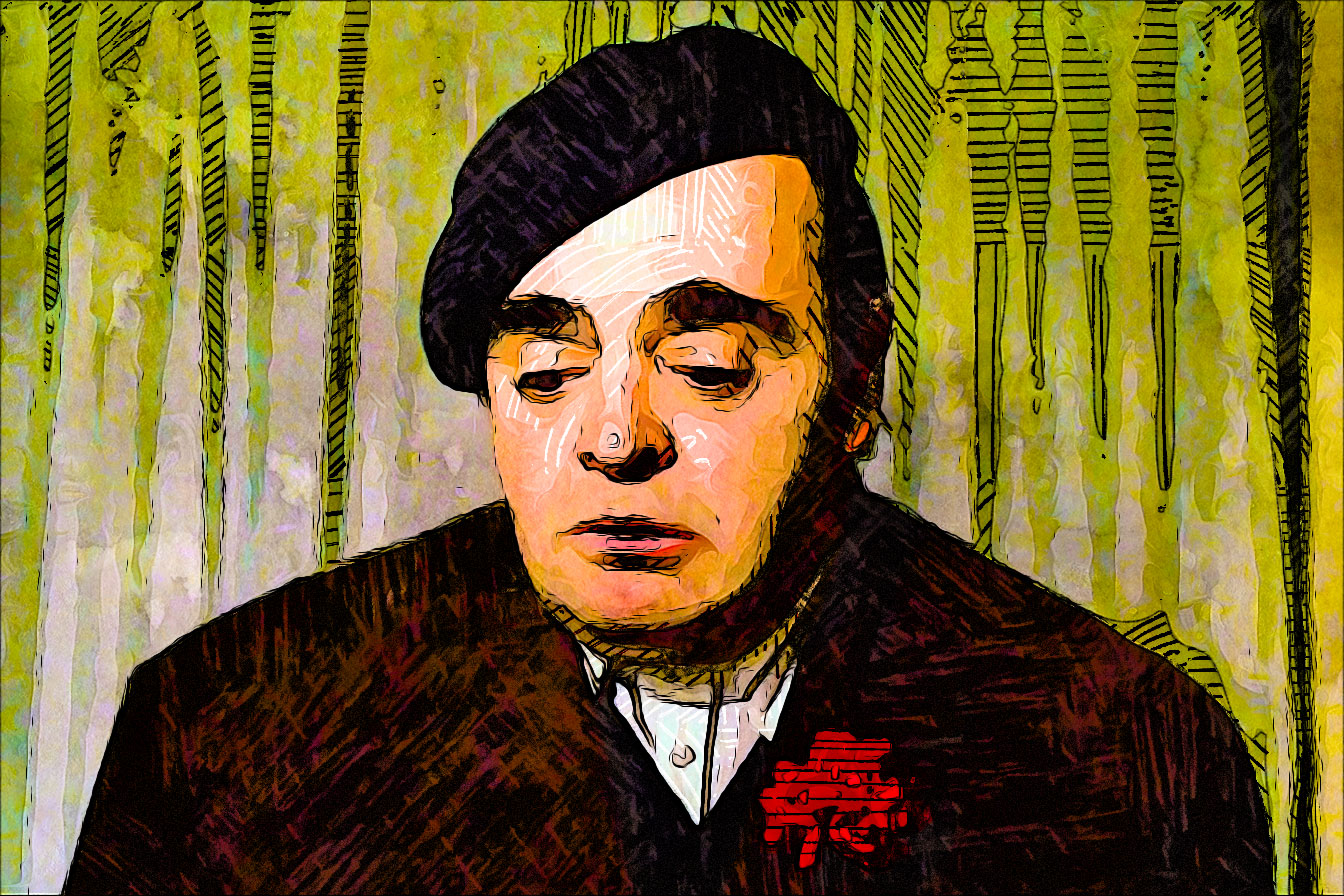
The Battle of Neretva is a Yugoslav partisan film from 1969, directed by Veljko Bulajić. It is considered the best and most expensive film ever made in Yugoslavia. It was nominated for an Oscar in 1969 in the category of Best Foreign Language Film and had the highest box office attendance in Yugoslavia with around 4.5 million viewers. It was seen by an estimated 350 million viewers in over eighty countries worldwide. The screenplay was co-written by Veljko Bulajić, Stevan Bulajić, and Ratko Đurović.
The film is based on true events from World War II, specifically the strategic plan for the joint Axis forces’ attack on the Yugoslav partisans in 1943. In early 1943, German generals, following Hitler’s personal order, began implementing the “Weiss” plan to destroy partisan units. Surrounded by a far superior enemy, the partisans, along with the Supreme Headquarters and 4,500 wounded and typhus-infected fighters, found themselves trapped in the Neretva River valley. Only one bridge remained, guarded by strong enemy forces on the other side. Tito ordered the bridge to be destroyed. Surprised, the enemy transferred their forces to the other side, anticipating a suicidal breakout attempt by the partisans. However, in just one night, the partisans built a temporary bridge beside the destroyed one and crossed to the other side, where they clashed with Chetnik forces.
Why was it the most expensive? The film was shot over a period of 18 months and sponsored by 58 industrial companies. It involved a combined battalion of the Yugoslav People’s Army (JNA) with 10,000 soldiers. Four specially constructed villages were destroyed, along with a fortress, and the iron bridge over the Neretva River was blown up twice. According to official estimates, the film cost 4.5 million dollars, while some American sources cited a figure of 12 million dollars.
The film was a project involving various Yugoslav producers, although the majority of the project was handled by Jadran Film, which employed the largest number of its technicians. In addition to them, there were Italian, German, and English partners, as well as Commonwealth, one of the largest production companies in the world at that time. At the time, “The Battle of Neretva” was the largest European film in terms of production.
Furthermore, the film featured internationally renowned actors such as Franco Nero, Yul Brynner, and Orson Welles.
Trivia The character of Mikele Riva (played by Franco Nero) was based on a real historical figure, Italian Captain Mario Riva, who joined the partisans after Italy’s capitulation and was killed fighting against the Germans on October 18, 1943. The story of his defection to the partisans and his death in battle against the Germans was transposed by the screenwriters to February and March 1943. Similarly, the character of Vlado (played by Yul Brynner) was also based on a real person, engineer Vladimir Smirnov.
The scene depicting the actual destruction of the bridge over the Neretva River was filmed on December 18, 1968. However, none of the shots made it into the final film because the explosion raised a huge cloud of dust that made filming impossible. This scene was later recreated using models in a Czechoslovakian studio.
The German Tiger I tanks that appeared in the film were actually modified Soviet T-34 tanks. JNA experts adapted them for the film’s needs (although Tiger I tanks were not used in the Yugoslav theater of war). These tanks later appeared in the American film “Kelly’s Heroes” directed by Brian G. Hutton in 1970, starring Clint Eastwood and Donald Sutherland, which was also filmed in Yugoslavia, and in Stipe Delić’s “The Battle of Sutjeska” in 1973.
The English version of the film features music by composer Bernard Herrmann, performed by the London Philharmonic Orchestra. The soundtrack with the music from this film was released in the United States in 1969.
One of the original posters for the English version of the film was designed by Pablo Picasso.
Success The film premiered on November 29, 1969, at the opening of the Skenderija cultural-sports center in Sarajevo. Allegedly, in addition to Tito and the film crew, Sofia Loren and Omar Sharif were also present. “The Battle of Neretva” was ranked among the historical film spectacles in terms of budget and number of extras, following Stanley Kubrick’s “Spartacus.”
The film was among the five films nominated in 1969 for an Oscar in the category of Best Foreign Language Film, alongside “Z” from Algeria, Swedish “Ådalen 31,” Soviet “The Brothers Karamazov,” and French “My Night at Maud’s.”
In June 2010, at the 32nd Moscow International Film Festival, among 120 films from world cinema, it was listed among the ten most important films about World War II.
The film also starred the biggest stars of Yugoslav cinema, such as Bata Živojinović, Boris Dvornik, Milena Dravić, Ljubiša Samardžić, Pavle Vuisić, and Faruk Begolli.